
How I Practice Storytelling Through Photos

Photo taken in Santorini
When I started as a photographer, it was all about the number of photos I took. I would go around bragging to all my friends about the few hundred photos I’ve taken during my trips and enjoy the shocking reactions they give me. I mean, more is better, right? This meant I had a lot of content to practice editing and posting on social media. It was a win-win situation, most definitely.
Yes, I have a library of photos I took, which I am proud of, but none left an impression or resonated with me.
Yes, they garner likes and positive comments on my social media pages, but none leave an impression or resonate with me.
Then, after years of working as a photographer, I matured creatively and started to take a few steps back, breathe, and observe all the little things around me.
Here are some of the practices that helped me.
- Limiting the number of photos
- Viewing from another perspective
- Using only 3 Photos to tell your story
- Pause and let your frame do the talking
Limiting the number of photos
I challenged myself to limit the number of photos I could take per scene, event, or day. I only use a low-storage memory card to ensure that I stick to this. Limiting my shots gave me a whole new perspective on photography.
It taught me how to be patient.
It taught me how to be observant in my surroundings.
It forced me to take only important photos.
It showed me about life and all the little moments made up of it.
It taught me to tell a story.
Press enter or click to view image in full size
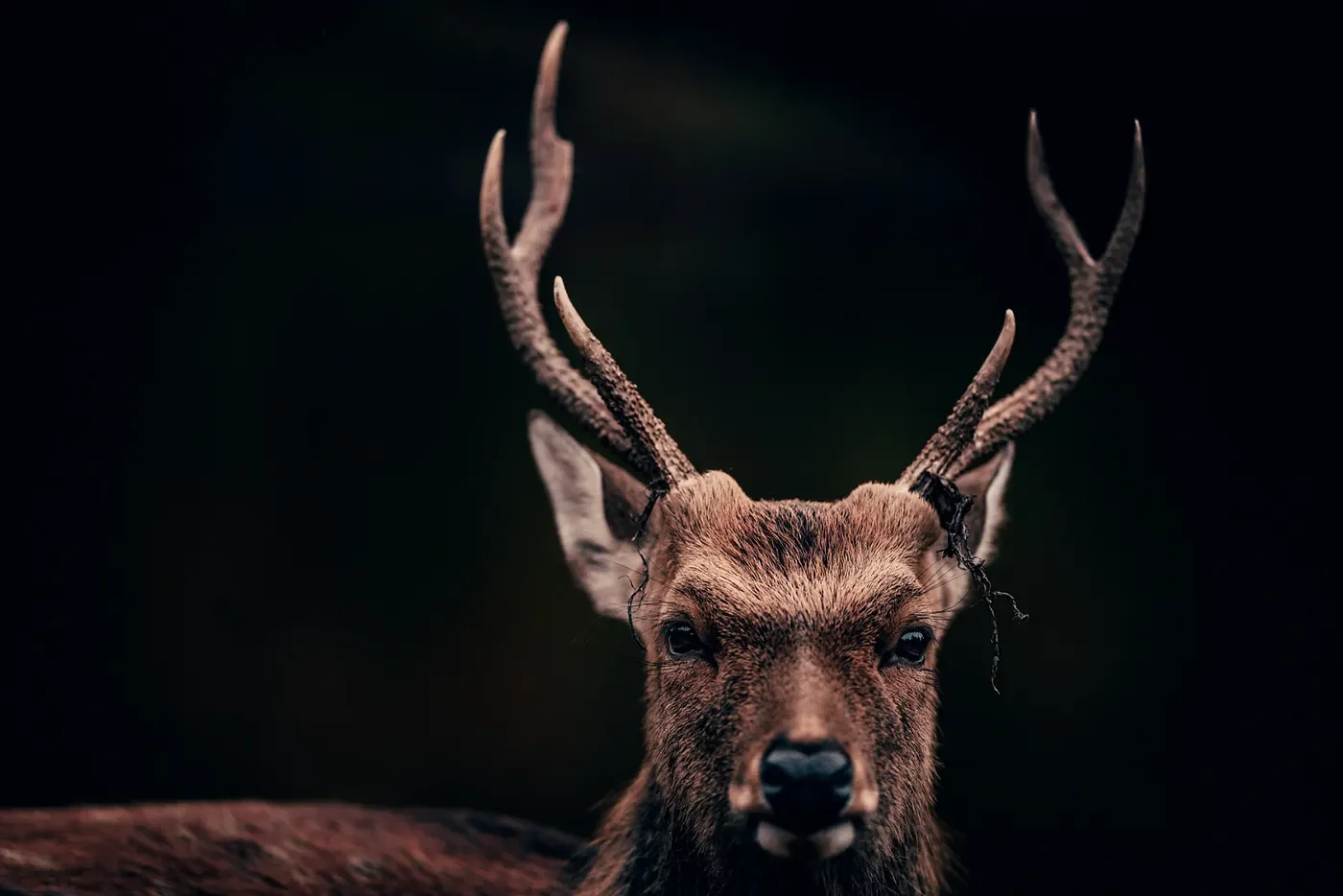
Photo taken in Japan
I gave myself one shot to capture a portrait of a deer.
I took this photo in Nara Park, Japan. The place was jam-packed with tourists; almost everyone tried to get a selfie with the deer. I noticed this gentleman from afar, nibbling treats off a couple. Although he was busy entertaining them, I anticipated he would look at me. Hence, I waited for the couple to move on.
I was wrong.
Another group of friends came in and fed this gentleman. I paced back and forth patiently and put my camera down, soaking in the moment and appreciating all the little moments around me.
Then, I saw this dude alone, resting. I stood up and pointed my camera at him, and he did the same. Many school students entered my frame a few seconds later, but I was done. I took the shot.
Things might have turned out differently if I had the freedom to empty my memory card.
Viewing from another perspective
I wanted to paint a different picture of Nara Park.
I tried to put together a story from a different perspective, a darker perspective.
What if the deer were prisoners, and their job was to entertain the visitors in exchange for food?
With this idea, I hunt for photos portraying a working deer’s imprisonment and sadness.
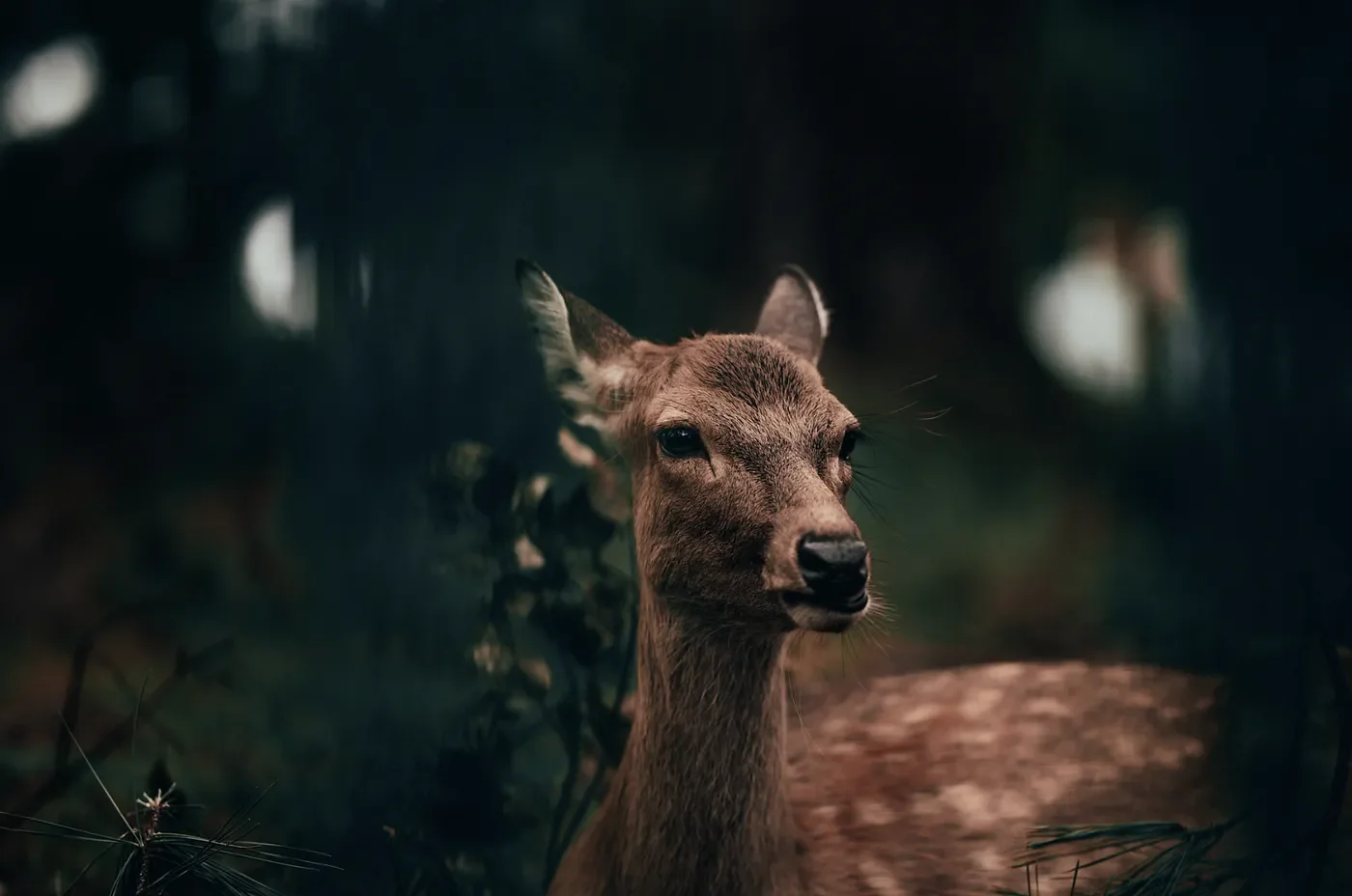
Photo taken in Japan, Nara
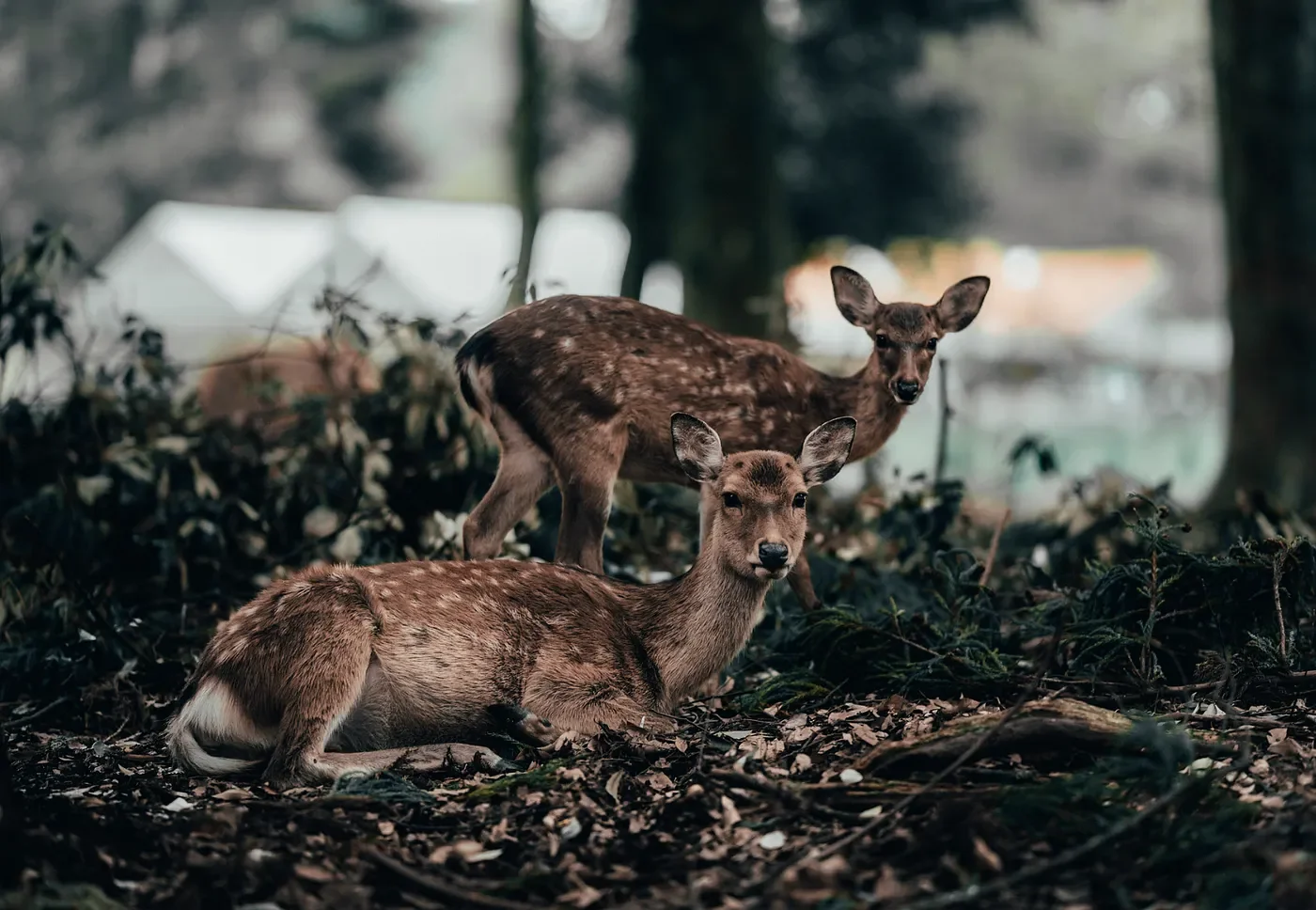
“Mum! Get up, they are back again!” — Photo taken in Japan, Nara
I patiently waited for the deer to hide behind the fence before taking the shot. The blurred fence made it look like the deer was in his prison cell, looking out with sad eyes.
Son, you’ve got a way to fall
They’ll tell you where to go
But they won’t know
- Starsailor
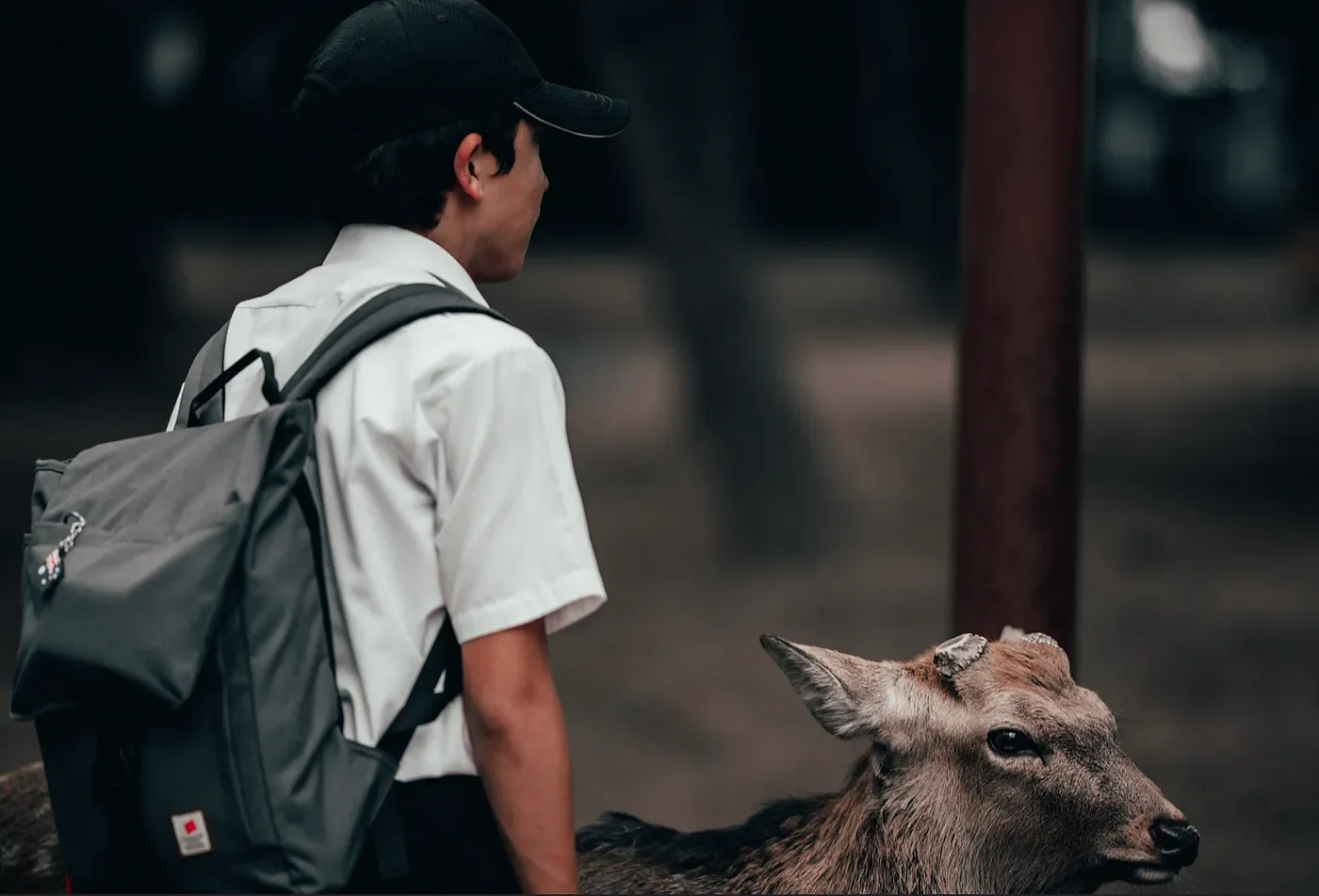
“Prison Break” — Photo taken in Japan, Nara
I find this photo quite hilarious. The student is trying to break the deer out of his cell, but the deer spotted the guard. Since young students are naturally righteous and hope to do the right thing, helping the deer break out and escape seems like a perfect tale.
Creating make-believe stories has helped me improve as a content creator. The more I steer away from the obvious, the more meaningful my photos become.
Let me give you another example:
Picture a scene from a birthday party with kids running all around. Everyone is having a good time.
The evident approach is to capture the scene as it is. There are a few perspectives or directions I could rely on to strengthen my story further.
If I look at it from the birthday cake’s perspective.
The cake is sad; kids are eating it.
The cake is no longer beautiful.
I can focus my shots on the mess which involves the cake.
Photos of the messy table with pieces from the cake.
Photos of kids eating their cake, mouths full.
Photos of parents busy cleaning the mouths of their kids.
Photos of leftover cake splattered on the kid’s clothing.
If I had approached the event from one angle, I would never have thought to focus on the cake’s perspective. This exercise has helped me to become a thinker rather than shooting blindly.
3 photos to tell your story
Another practice I follow is pairing my photos with a story. Instead of taking random photos whenever I encounter an interesting scene, I limit my shots to only three.
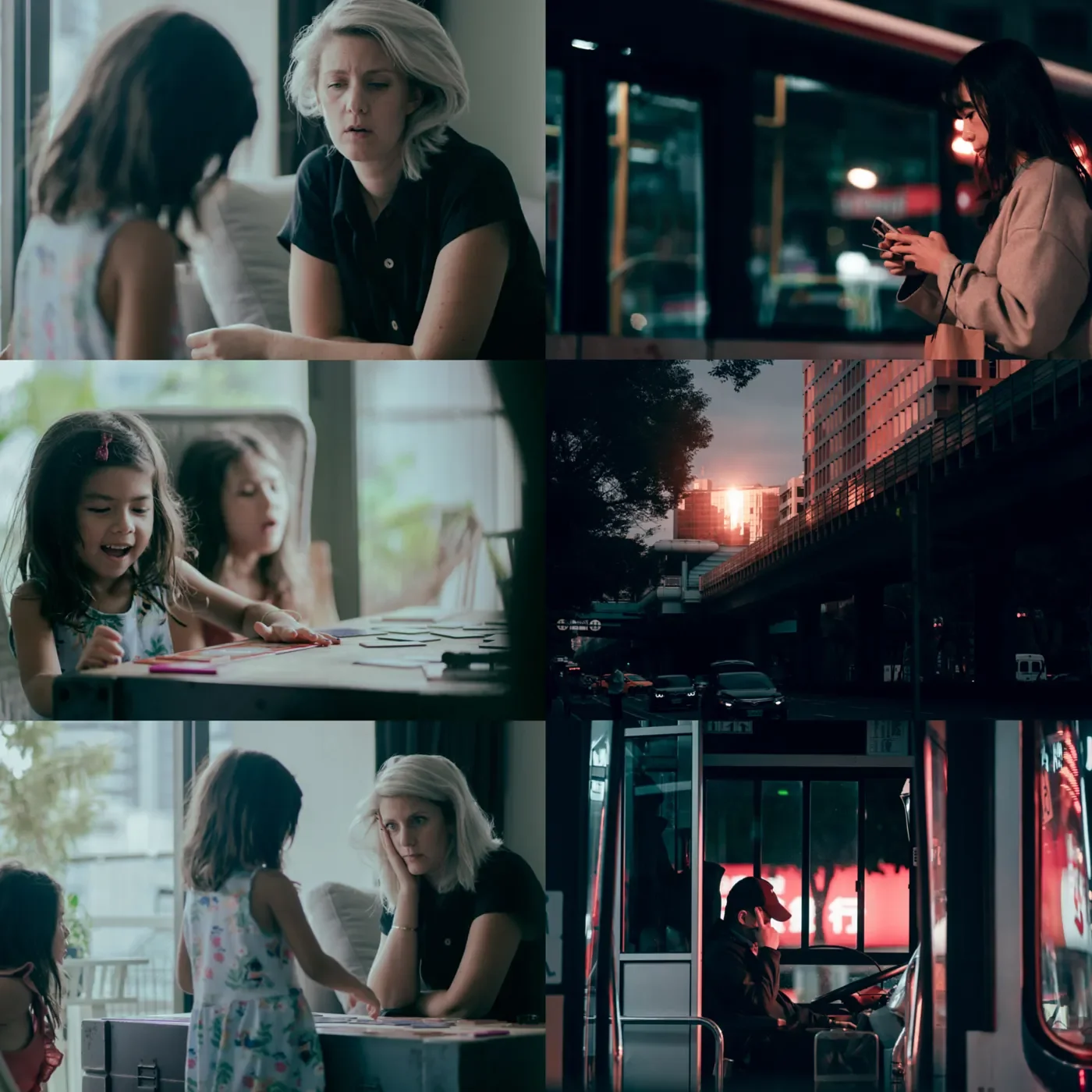
Photo taken in Singapore and Taipei
The photo collage on the left shows a family activity in action. With this practice, I timed my shots and captured three photos that can tell the story behind their game of cards to the fullest.
- Mum is annoyed
- The kid is having fun annoying her mum while the sister is sulking behind, too
- Mum has given up, face resting on palms. You win!
Next, the photo collage on the right. The streets of Taipei are beautiful at night, and I wanted to tell my story — as the day gets darker, everyone is off work and rushing home. But, if you look closer, there is still peace surrounding us. I waited for the buses to be emptied, isolated my subjects and took the shot.
Pause, and let your frame tell a story
A common habit I adopted behind my photos is to take a step back, pause, and allow the motion to occur. Instead of rushing and capturing interesting scenes, I will now observe the things going on in my scene because sometimes, if I capture something too quickly, I will move on and shoot something else. On the other hand, since everything is in motion, I might miss out on the best part of that scene.
Let me give you a few photo examples:
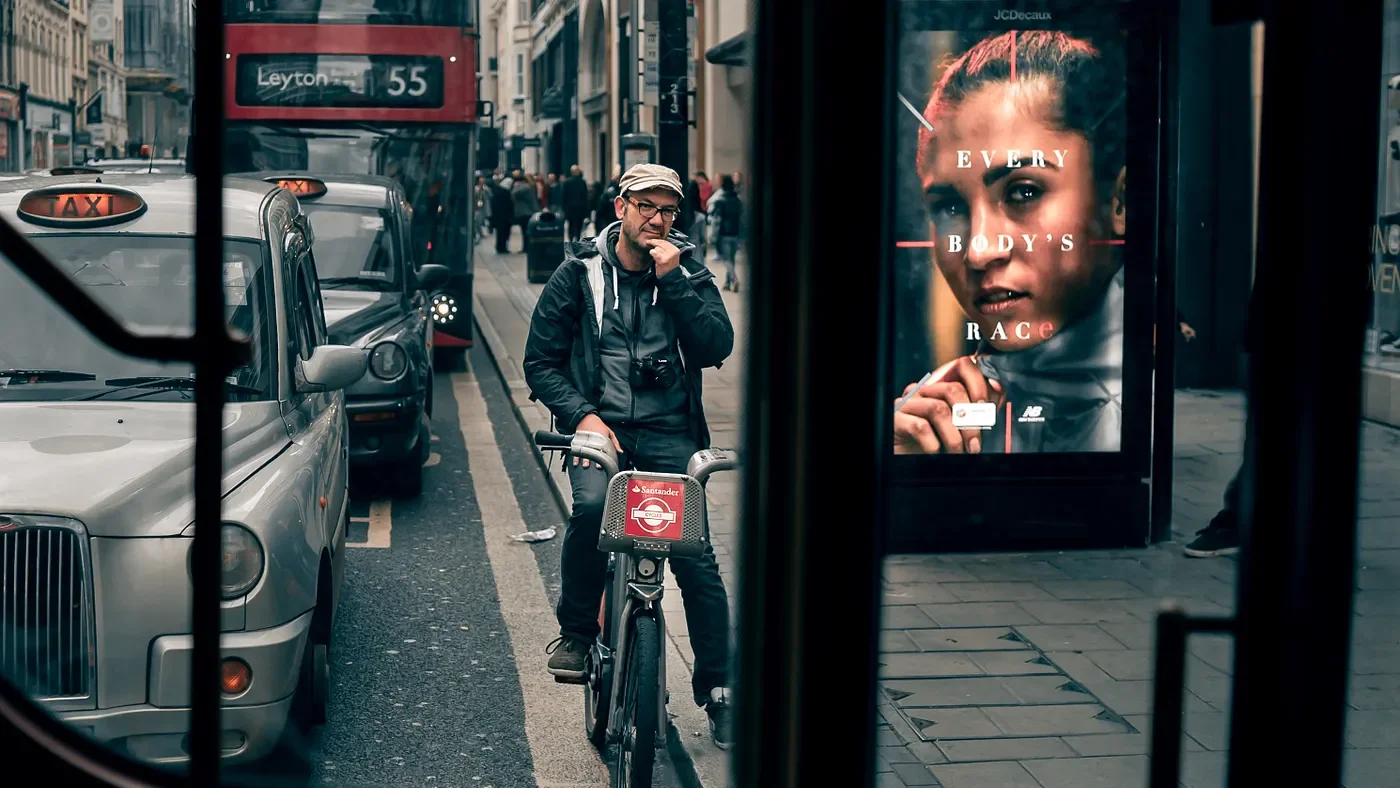
“Double Trouble” — Photo taken in London
I spotted this cool cyclist right behind the bus I was on. I put my camera down and observed.
- He was looking at something else
- He was checking his camera
Then, I lifted my camera, and he spotted me. Next, he made a curious gesture that resembled the poster on the right. I took the photo and titled it “Double Trouble.” I am definitely in trouble now.
Press enter or click to view image in full size
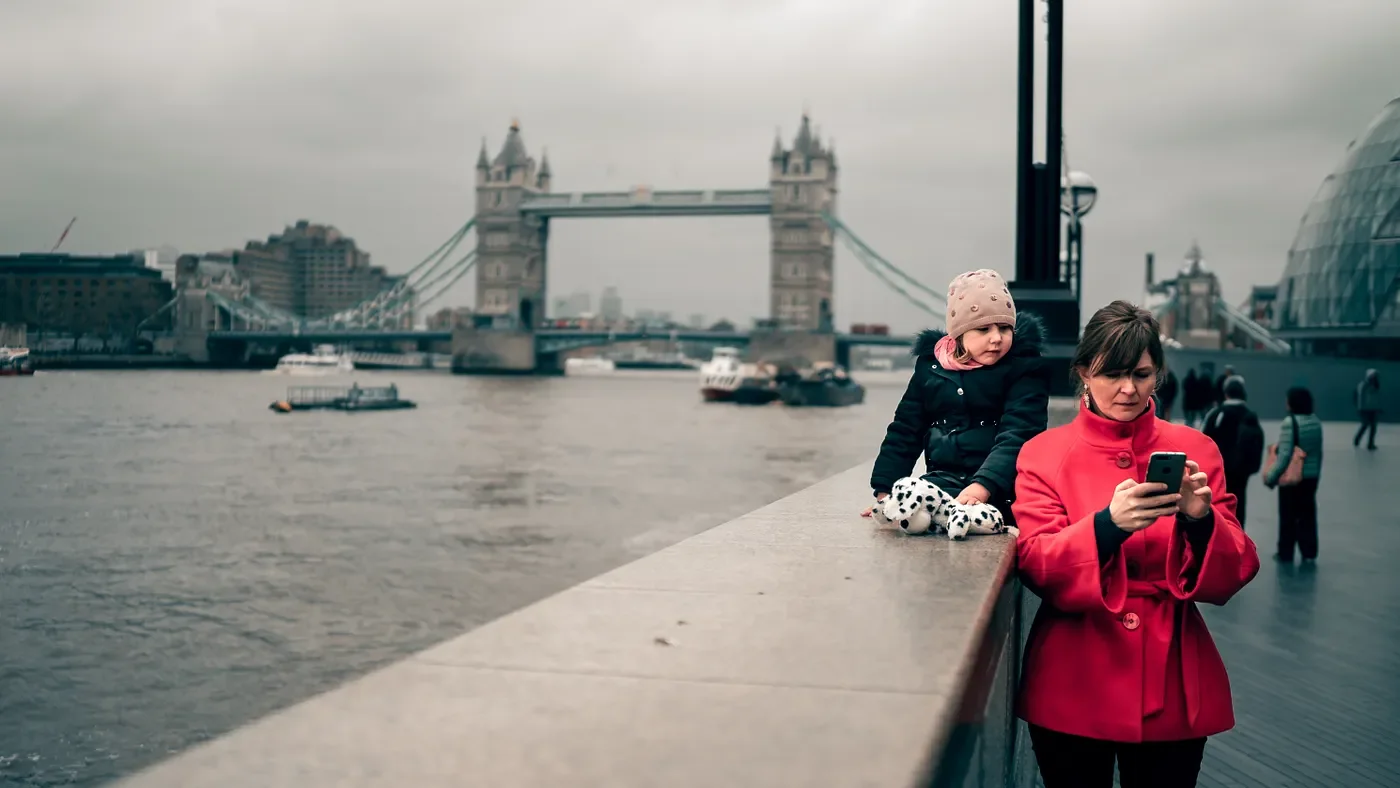
“Tech-No-logy” — Photo taken in London
I was busy photographing pigeons annoying passersby and spotted this dynamic mother-daughter duo in front of me. If I remember correctly, they were trying to take a selfie, but a call or a message interrupted them. The little one was busy playing with her toy while her mother was figuring out what was going on — what a lovely sight. I stood there, pretended to hunt for pigeons, and waited.
Once the little one became curious, she put her toy down and stared at the phone. I took the shot and titled it “Tech-no-logy.” It feels like we are always burying our heads in screens, missing out on the little moments in life. Technology is cool, but… tech-NO-logy?
Summary
To tell better stories as a photographer, I need to focus on something other than being a photographer. I need to become everything else but that.
I need to become a hot dog stand.
I need to become a flying pigeon.
I need to become a passerby.
I need to become a rear-view mirror.
I need to view things from a hot-dog stand’s perspective.
I need to view things from a flying pigeon’s perspective.
I need to view things from a passerby’s perspective.
I need to view things from a rear-view mirror’s perspective.
Thinking, ideas, or visuals from another perspective made me a better photographer.
Once again, here are the practices that helped me to tell better stories.
- Limiting the number of photos
- Viewing from another perspective
- Using only 3 Photos to tell your story
- Pause and let your frame do the talking
Thanks for reading!